Kim Jeom-dong (1877–1891)
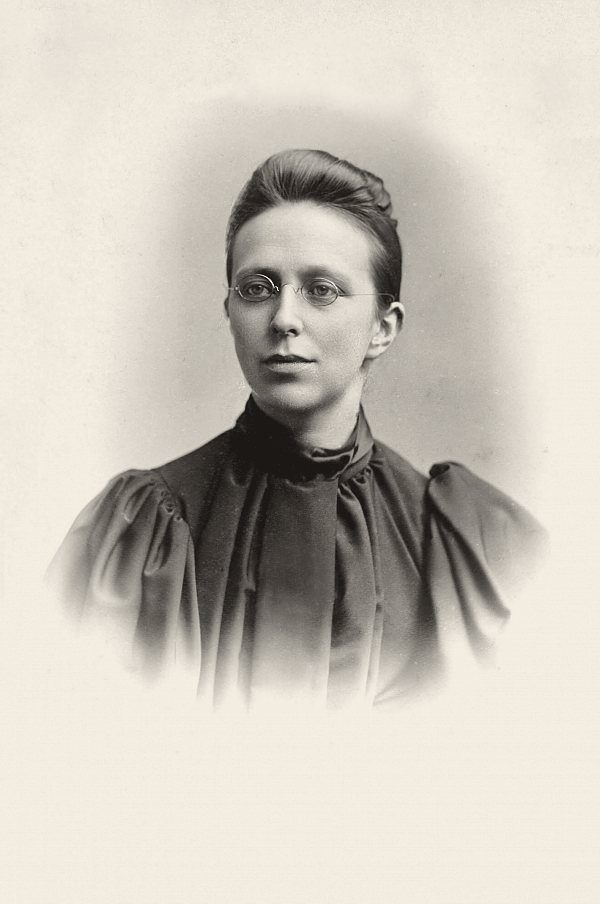
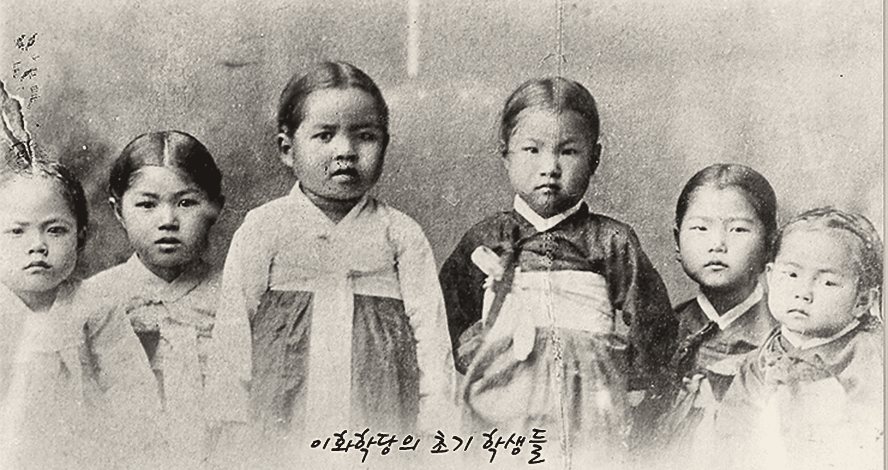
Kim Jeom-dong was born on March 16, 1877, in Jeong-dong, Seoul, the third of four daughters. In an age when Korean women were rarely called by their own names, her father, who worked for the missionary Henry Appenzeller, sent her to Ewha Hakdang, Korea’s first modern school for girls. She excelled in English, and in 1890 she became the interpreter and assistant of Dr. Rosetta Sherwood Hall at Bogu Yeogwan, the first hospital for women in Korea. Watching Dr. Hall repair a young girl’s cleft lip, she decided she would become a doctor.
Esther Kim (1891–1893)
On January 25, 1891, she was baptized by Rev. Franklin Ohlinger and took the name Esther, after the queen in the Bible who risked her life for her people. Nightly prayer meetings began in her room at Ewha, and soon the Korean teachers joined them.
Esther Pak (1893–1910)
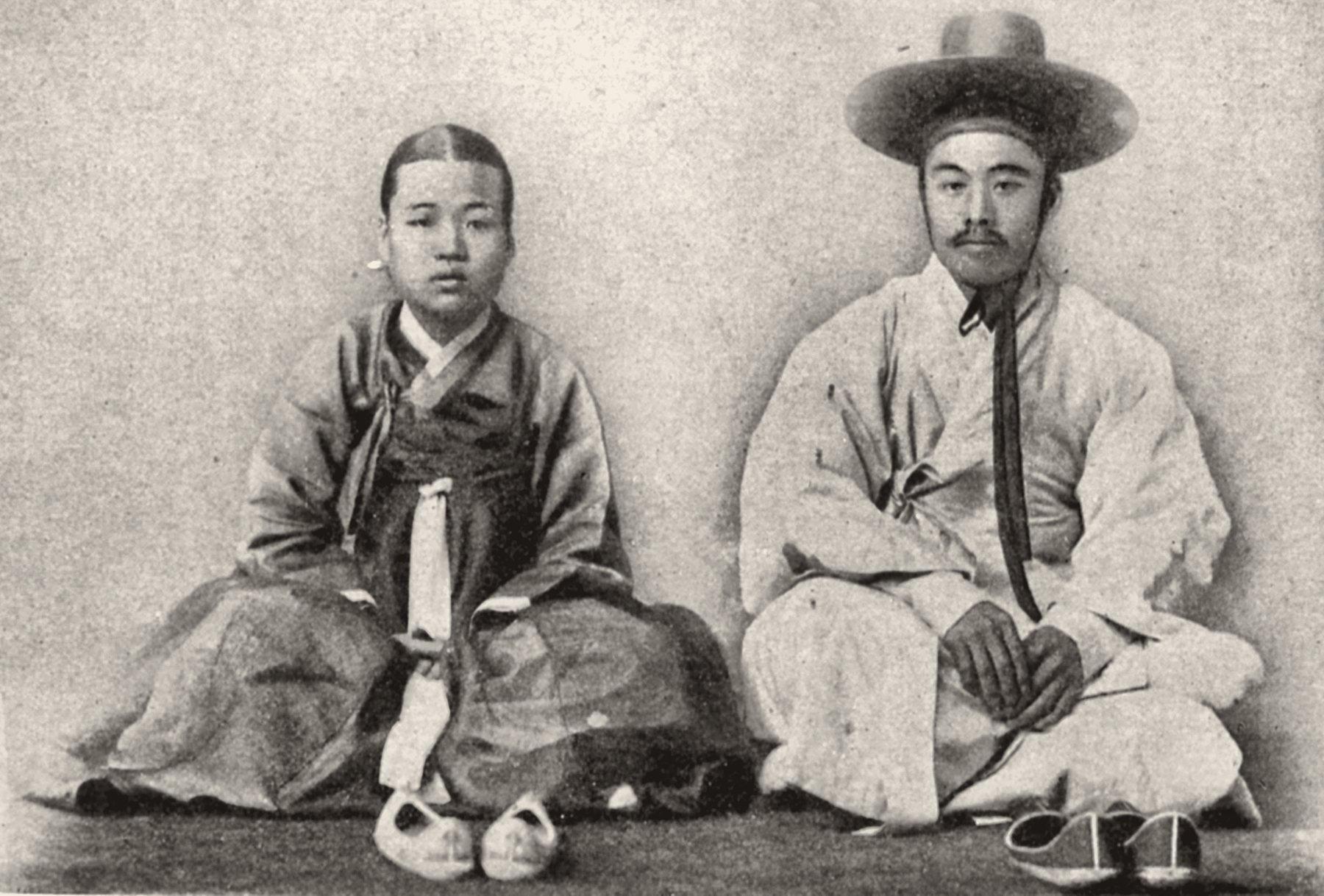
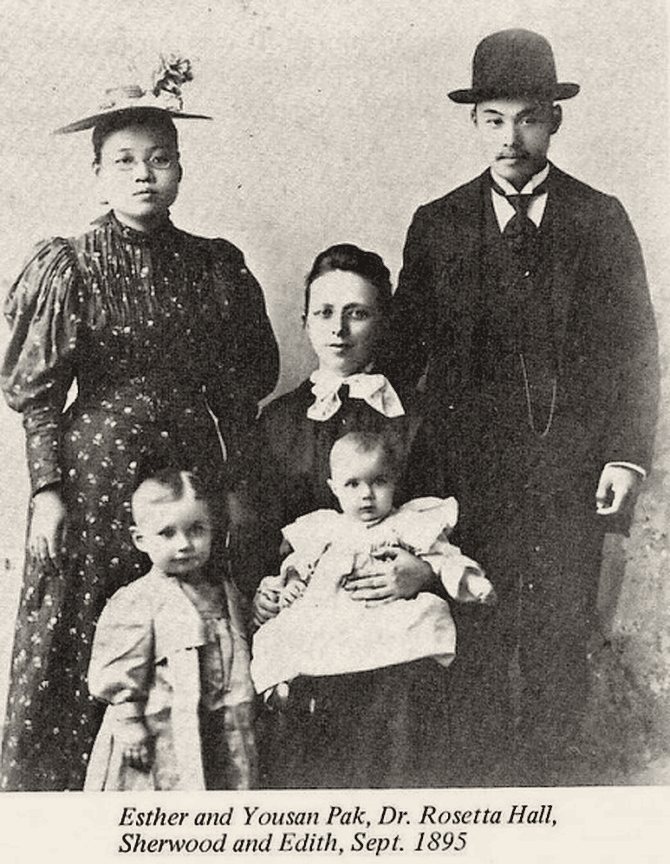
On May 24, 1893, she married Pak Yeo-seon (known to the missionaries as Yousan Pak), a young Christian who had worked for Dr. William James Hall and who had said he would rather have a wife who worked for God. The next year the couple joined the Halls in pioneering work in Pyongyang. In 1894 Esther lost her first baby, and Dr. William Hall died after caring for the wounded of the Sino-Japanese War. In December 1894 the couple left for America with Rosetta Hall.
In Liberty, New York, Esther attended public school and worked at the Nursery and Child’s Hospital while her husband worked on the Sherwood family farm to support her. She lost a second child and was turned down by the Woman’s Medical College of Pennsylvania, yet she wrote that she would not give up: her husband, too, wanted her to become a doctor more than anything. On October 1, 1896, she entered the Woman’s Medical College of Baltimore.
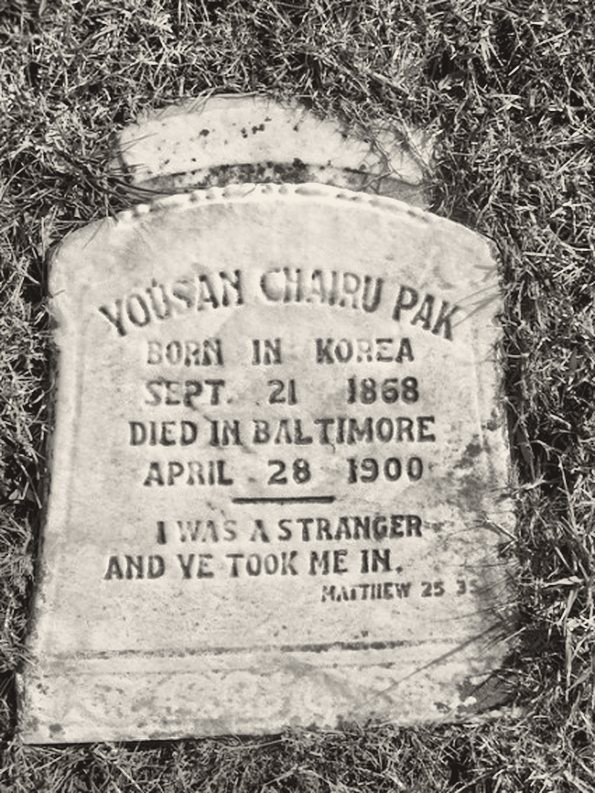
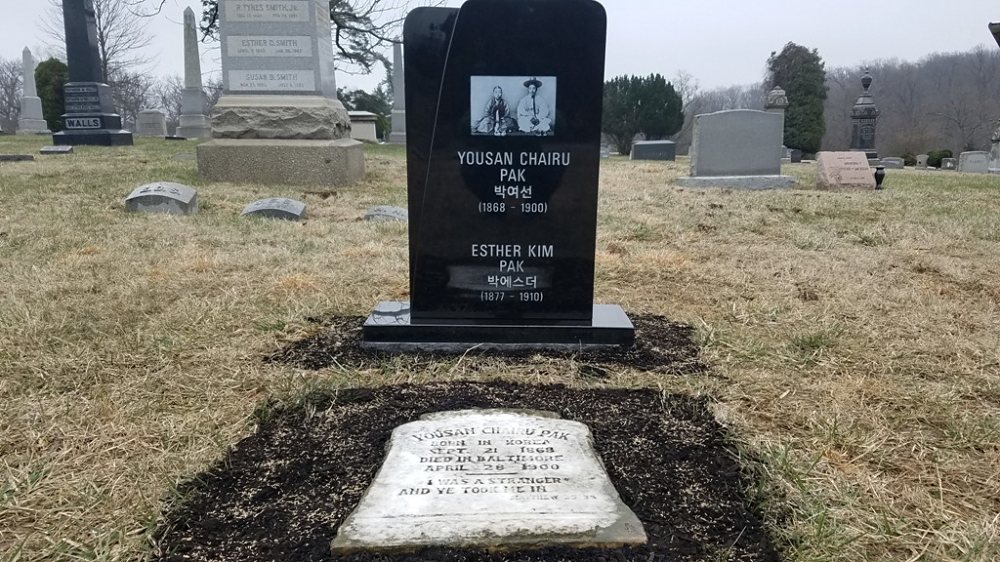
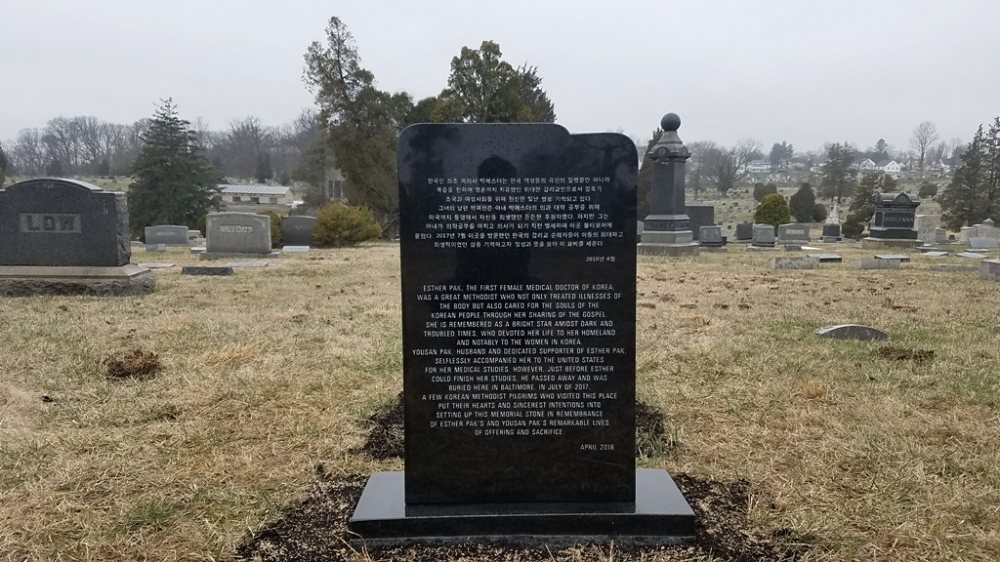
By 1899 Yousan was being treated for tuberculosis. Esther studied by day and nursed him by night. He died on April 28, 1900, and was buried in a family plot at Lorraine Park Cemetery. His stone reads: “I was a stranger and ye took me in” (Matthew 25:35). Esther graduated on May 14, 1900.
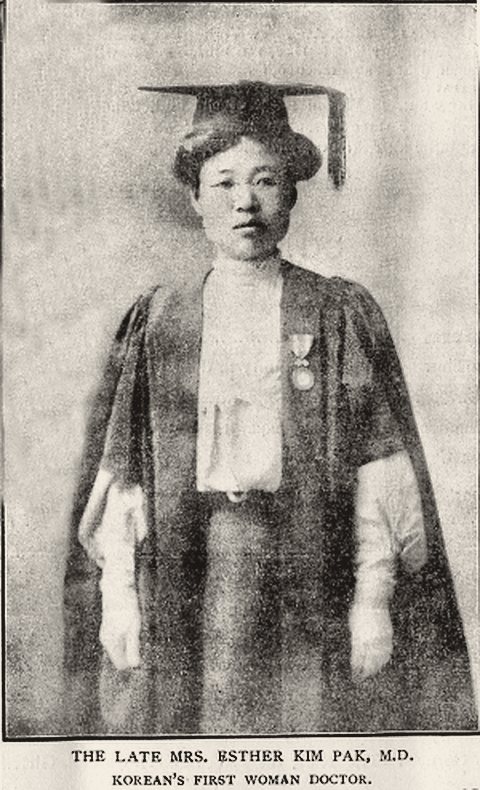
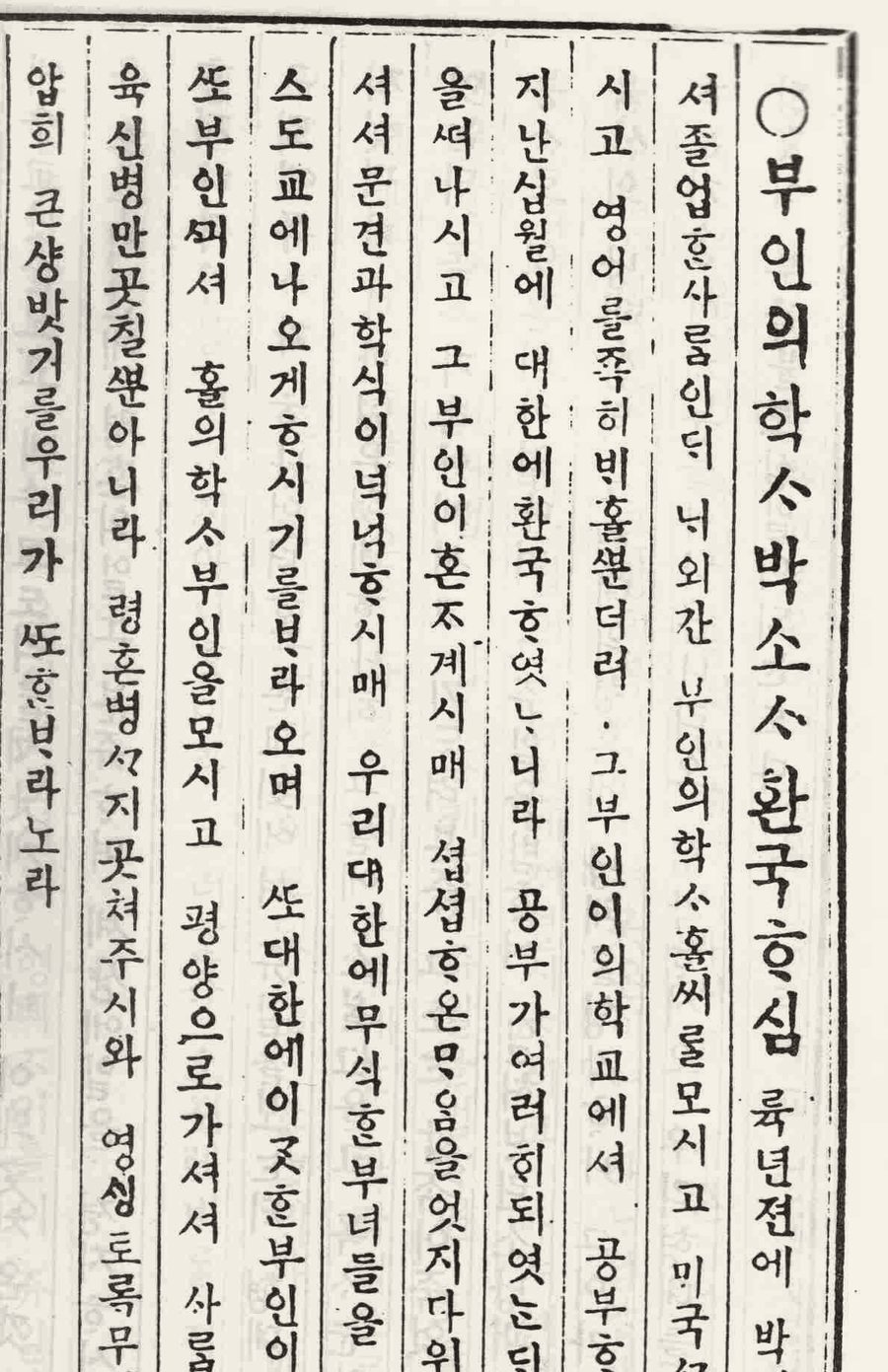
That fall she returned to Korea as a medical missionary of the Woman’s Foreign Missionary Society. In Seoul and Pyongyang she treated thousands of women and children each year, visited homes during epidemics, traveled to remote villages, helped train nurses, taught at a school for the blind, and taught the Bible and hygiene to Bible women. She died of tuberculosis on April 13, 1910, ten years after coming home.
The gift her death left
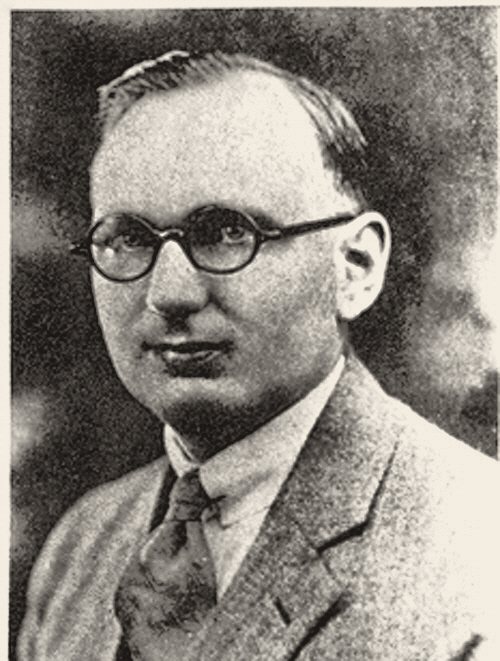
Sherwood Hall, who had called her “Aunt Esther,” resolved after her death to become a tuberculosis specialist. He opened a tuberculosis sanatorium in Haeju in 1928 and issued Korea’s first Christmas Seals in December 1932. The Hall family rests today at the Yanghwajin Foreign Missionary Cemetery in Seoul.